23 Jun 2026
Charting the Routes of Digital Transactions for Exclusive Reward Access in Virtual Card and Reel Platforms
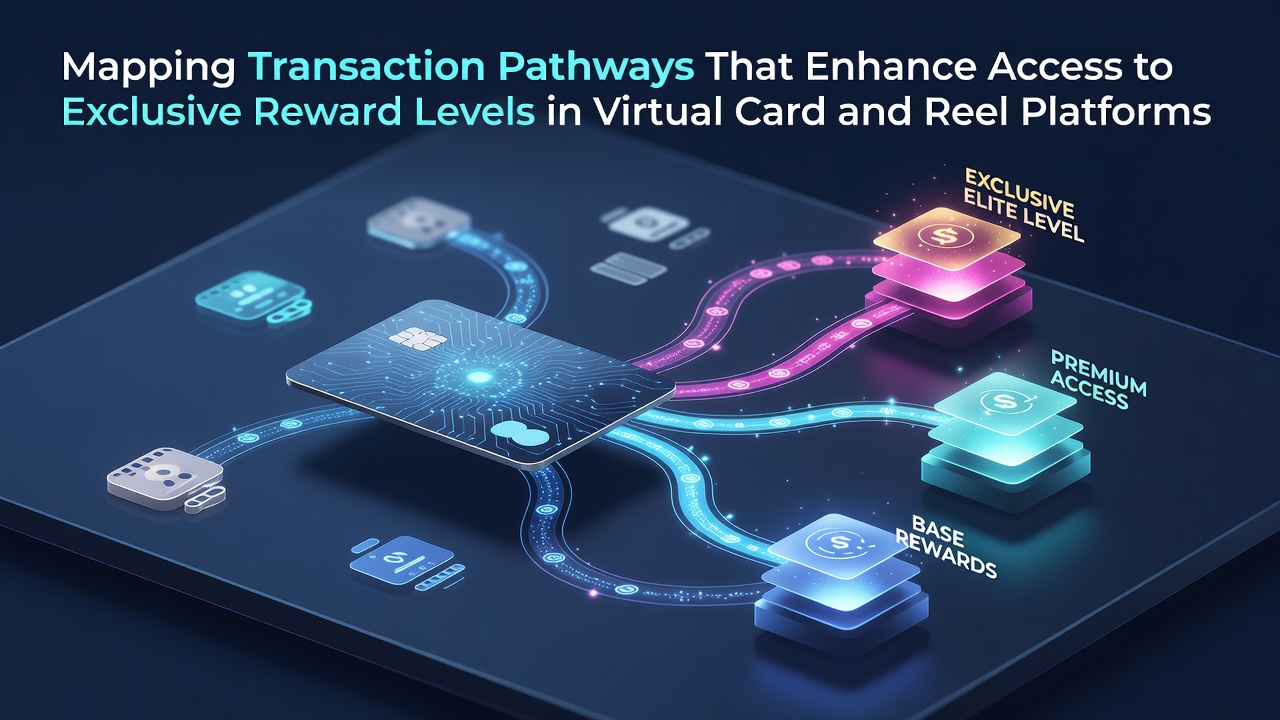
Digital platforms that combine virtual card games with reel-based systems have developed intricate networks for processing payments, and these networks directly influence how users reach higher reward tiers. Observers note that transaction pathways function as structured sequences where payment methods, verification steps, and integration points determine eligibility for premium levels. Research from academic institutions such as the University of Nevada's International Gaming Institute shows that streamlined routes often correlate with faster progression through tier structures.
Payment processors and platform operators map these pathways by analyzing data flows from deposit initiation through reward credit allocation. In June 2026, industry reports highlighted several updates to routing protocols that reduced processing delays by integrating real-time verification tools across multiple regions. Those who have examined platform architectures find that certain combinations of digital wallets and direct bank transfers create shorter pathways to elite status compared with traditional card methods.
Core Elements of Transaction Pathways
Every pathway begins with user authentication and funding selection, yet the subsequent routing decisions shape overall efficiency. Platforms typically segment transactions according to value thresholds, geographic origin, and payment instrument type. Data from the Canadian Gaming Association indicates that pathways incorporating automated compliance checks advance users toward reward tiers more consistently than those requiring manual reviews. Multiple clauses often appear in these systems because each step feeds into the next, creating cumulative effects on tier accessibility.
Virtual card integrations allow instant authorization while reel platforms frequently apply additional logic to handle variable bet sizes and session lengths. When both environments share backend routing layers, users experience fewer interruptions during transfers between card tables and slot-style games. Experts have observed that shared ledgers and unified ledgers reduce friction points, allowing reward calculations to occur without separate verification cycles.
Platform Integration Patterns Observed in 2026
Operators in North America and the Asia-Pacific region have adopted distinct yet overlapping approaches to pathway design. Some systems prioritize cryptocurrency rails for cross-border transfers, while others emphasize regulated banking channels. According to figures released by the Australian Gambling Research Centre, platforms using hybrid routing achieved higher tier-up rates during the first half of 2026. These patterns emerge because different payment instruments trigger unique compliance sequences that either accelerate or delay reward accumulation.
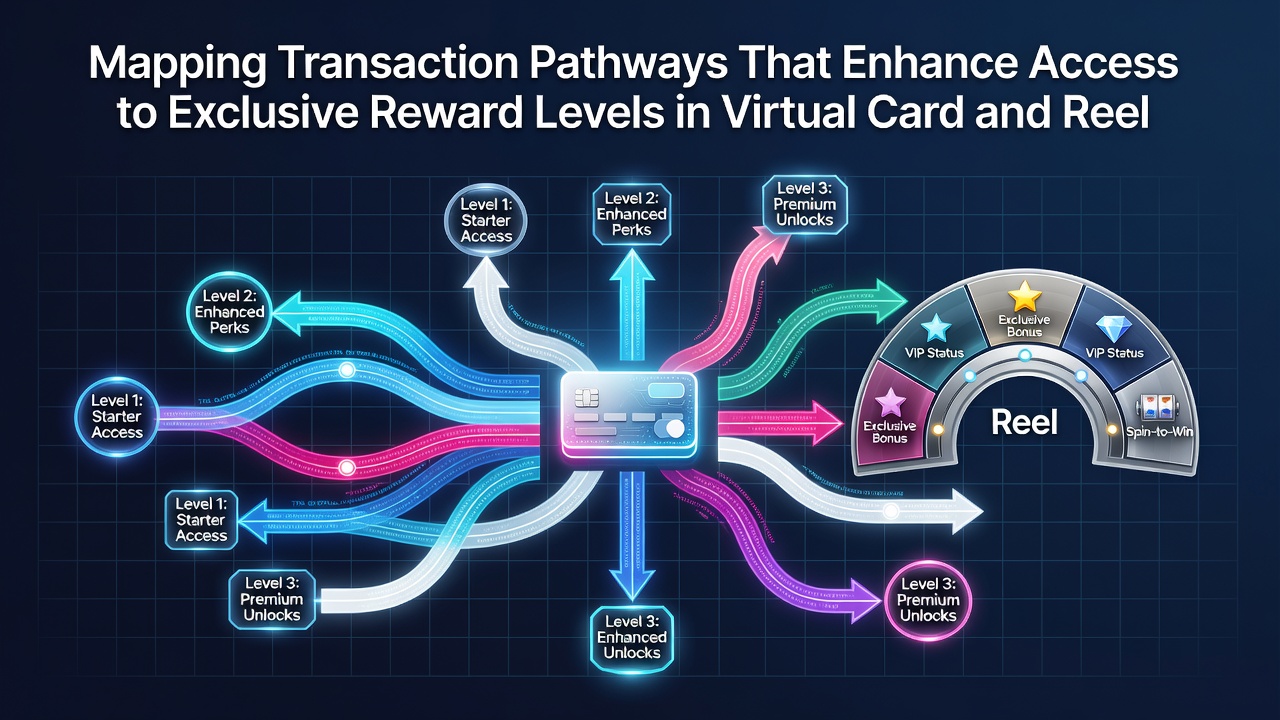
Real-time monitoring tools now track pathway performance across thousands of daily transactions. One study revealed that platforms adjusting routing priorities based on user history recorded measurable improvements in retention within exclusive tiers. Researchers discovered that predictive algorithms can forecast which payment sequences will unlock higher reward brackets, enabling preemptive adjustments before users encounter delays.
Regulatory and Technical Influences
Government agencies across multiple jurisdictions continue to shape allowable routing methods. The Nevada Gaming Control Board updated its technical standards in early 2026 to accommodate faster verification for certain digital instruments. Meanwhile, European regulatory bodies have focused on transparency requirements that affect how pathways log reward-triggering events. These rules determine which transaction types receive expedited processing and which must follow extended review sequences.
Technical standards from organizations such as the European Gaming and Betting Association encourage interoperability between card and reel environments. When platforms align their routing protocols with these standards, users encounter fewer barriers when moving funds or claiming tier benefits. Data shows that aligned systems process tier-advancing transactions at rates up to thirty percent higher than non-aligned configurations during peak periods.
Future Developments in Pathway Optimization
Continued refinement of routing algorithms is expected as platforms incorporate machine-learning models trained on historical transaction data. Observers note that these models identify underperforming pathways and suggest alternative routes that maintain compliance while accelerating reward delivery. In June 2026, several operators began testing dynamic routing that adjusts in response to live network conditions and user behavior patterns.
Collaboration between payment providers and platform developers remains essential for maintaining efficient networks. Those who have studied these ecosystems recognize that incremental improvements in verification speed and data sharing directly translate into smoother access to exclusive reward levels across both virtual card and reel platforms.
Conclusion
Transaction pathway mapping has become a central component of reward system design in digital gaming environments that combine card and reel features. Evidence from regulatory updates, industry reports, and academic analyses confirms that optimized routing sequences improve progression rates toward premium tiers. As platforms continue to refine these networks through technical and regulatory alignment, users gain more predictable access to exclusive reward structures based on their transaction activity.