19 May 2026
Inside Loyalty Ecosystems: How Tiered Rewards Reshape Engagement Across Digital Wagering and Reel-Based Platforms
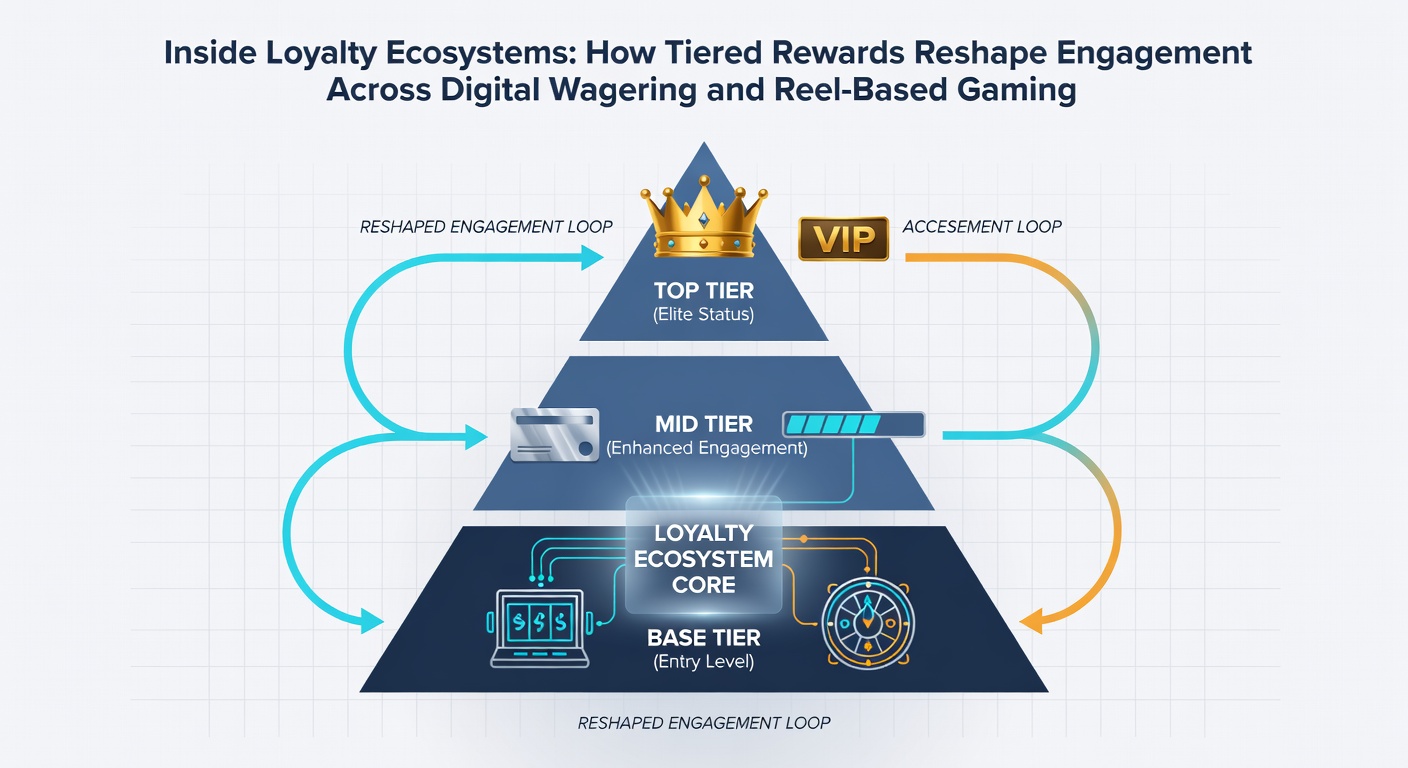
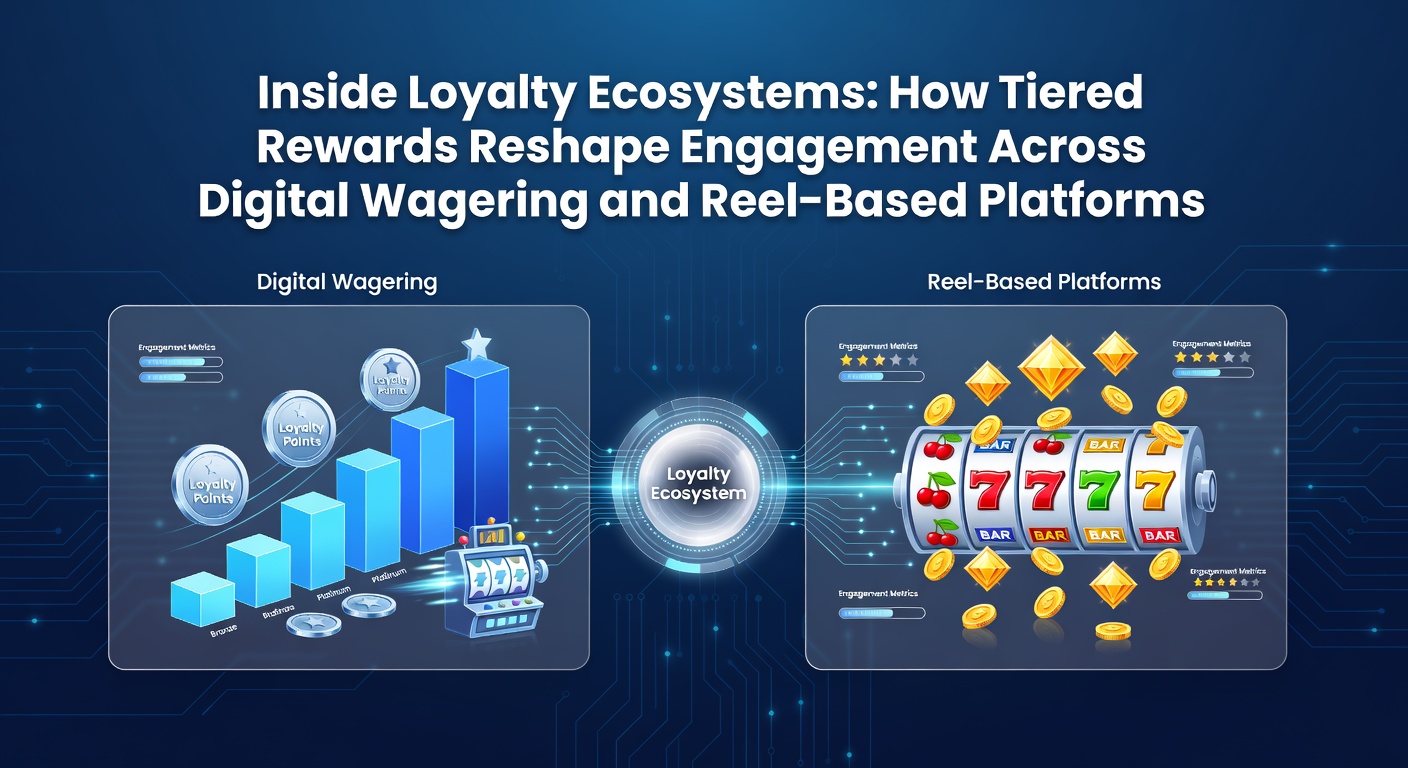 Tiered reward structures form the backbone of modern loyalty ecosystems in digital wagering and reel-based platforms, where operators design progressive levels to convert casual participants into dedicated users through accumulated points, exclusive perks, and escalating benefits. These systems operate on straightforward mechanics: players earn credits based on wager volume or session duration, then advance through tiers that unlock higher cashback rates, priority access to events, and personalized promotions. Data from industry reports indicate that platforms implementing such frameworks see measurable lifts in repeat activity, with retention metrics improving as users chase status upgrades. Observers note that the structure typically includes entry-level tiers for newcomers, mid-range options for regular participants, and premium categories reserved for high-volume users. Advancement criteria rely on metrics like total bets placed or games completed over defined periods, which encourages consistent interaction rather than one-off visits. In digital wagering environments, this translates to bonuses tied to sports event outcomes or live betting sequences, while reel-based platforms apply similar logic to spin volumes and jackpot contributions.
Mechanics of Tier Progression in Digital Environments
Platforms calculate points through algorithms that factor in bet size, game type, and frequency, creating pathways where silver-level users might receive 5 percent cashback on losses while gold participants access 10 percent along with faster withdrawal processing. Researchers at institutions tracking gambling trends have documented how these escalations foster longer session times, since users often extend activity to meet thresholds for the next tier. What's interesting is the way operators integrate real-time dashboards that display progress bars and upcoming rewards, turning abstract goals into visible targets that sustain momentum. And yet the approach extends beyond simple accumulation, incorporating multipliers during promotional windows or bonus challenges that accelerate tier climbs for targeted demographics. Those who've examined user behavior patterns report that such features reduce churn rates, particularly when combined with personalized notifications sent via app interfaces. In May 2026 several major platforms rolled out enhanced tracking tools that sync across mobile and desktop sessions, allowing seamless point transfers and unified tier status regardless of device.Engagement Patterns Across Wagering and Reel Formats
Digital wagering sites leverage tiered systems to boost participation in both pre-match and in-play options, where higher tiers grant access to exclusive markets or reduced commission on parlays. Reel-based platforms, by contrast, focus rewards around spin streaks and feature triggers, offering tier-specific free spins or entry into progressive jackpot pools. Studies conducted across multiple markets show that users in upper tiers demonstrate higher average revenue per user, driven by the psychological pull of maintained status and the tangible value of accrued benefits. Take one operator that introduced a four-tier ladder in 2025 and observed a 28 percent increase in weekly active accounts within the first quarter, according to internal metrics shared with industry analysts. People often find themselves returning more frequently to protect their tier standing, especially near reset periods when points expire or downgrade risks emerge. This dynamic plays out differently in sports-focused wagering, where live event timing creates urgency, versus slot sessions that emphasize volume over duration.