9 Jun 2026
Instant Transactions and Loyalty Boosts: Digital Wallets in Mobile Slots and Blackjack
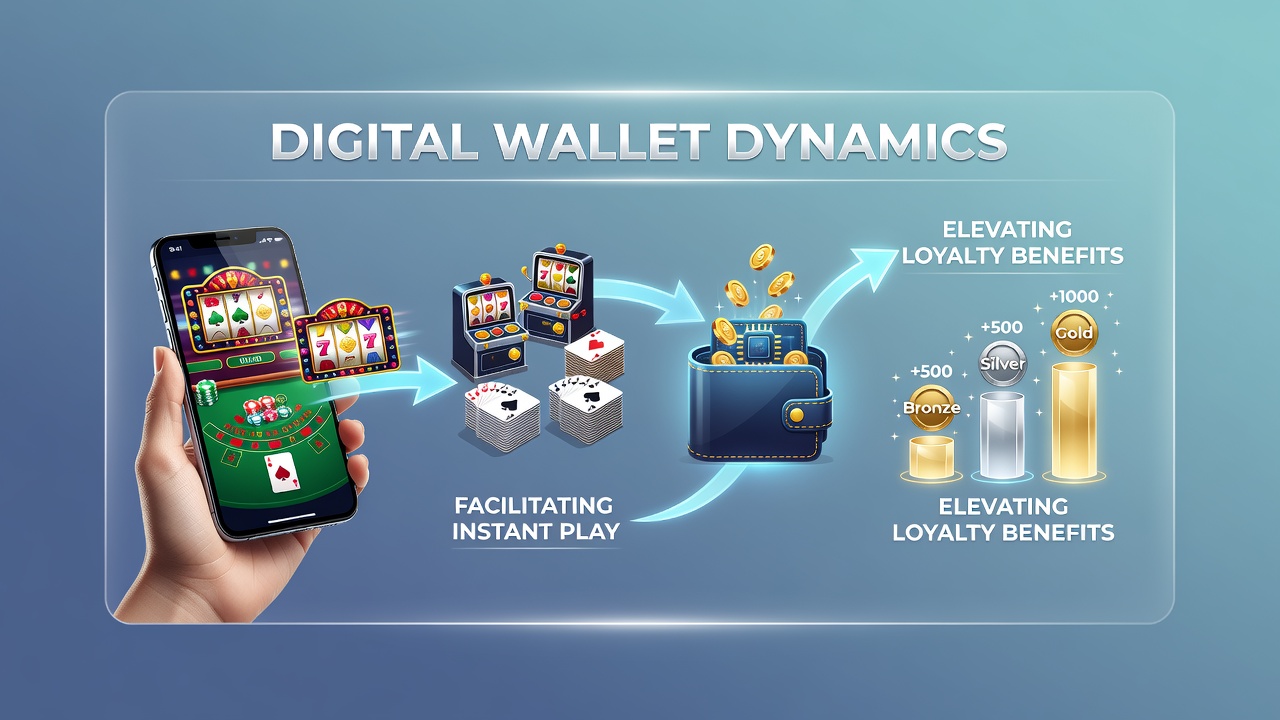
Digital wallets have become central to mobile casino operations because they handle deposits and withdrawals in seconds while linking directly to player accounts that track tiered rewards. Operators integrate these systems so users can move funds between bank accounts and game balances without leaving the app, and the same connection feeds data into loyalty platforms that award points for every spin or hand played.
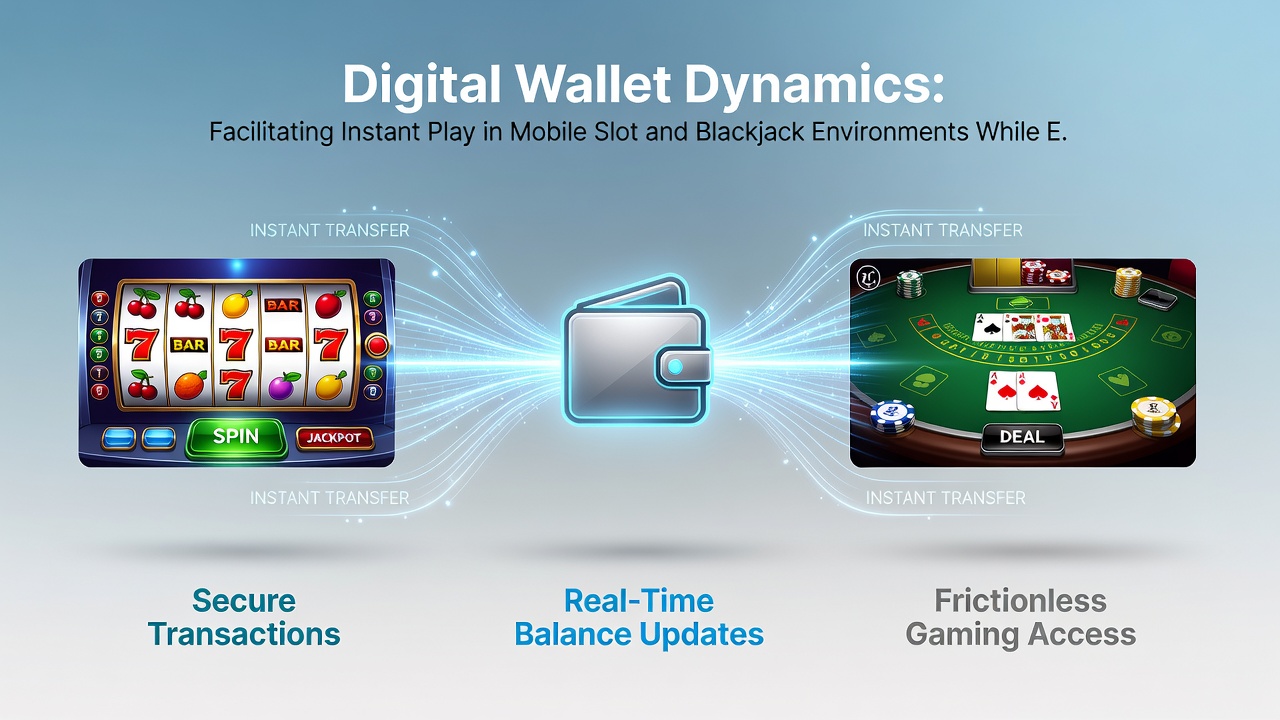
Research from the Nevada Gaming Control Board shows transaction times dropping below three seconds in approved mobile environments during the first half of 2026. This speed matters in slots where autoplay sequences run continuously and in blackjack where players make repeated decisions within short windows. When funds arrive instantly, sessions continue without interruption and loyalty meters accumulate points in real time.
Mechanics Behind Instant Play
Wallets such as Apple Pay, Google Pay, and operator-branded options connect through APIs that verify identity once and then authorize each transfer with a biometric check. In practice a player selects a game, chooses a stake amount, and confirms the transfer inside the same screen. The backend records the movement and simultaneously credits the loyalty ledger, so the action that starts the round also advances the user's progress toward the next reward tier.
Blackjack tables benefit because side bets and insurance decisions often require small additional wagers mid-hand. Digital wallets process those micro-transactions without forcing the player to pause or switch to a banking menu. Slot machines gain similar flexibility when bonus rounds trigger optional buy-ins or extra spin purchases, all settled inside the same flow.
Loyalty Integration Patterns
Points accrual happens automatically because the wallet API shares transaction metadata with the rewards engine. Every deposit counts toward monthly activity requirements, while withdrawals do not deduct from accumulated tiers. Operators structure campaigns so that wallet-funded play earns bonus multipliers during specific hours, a tactic that appears in multiple state-regulated markets by June 2026.
One documented case involves a Midwest operator that linked wallet deposits to a "fast-track" tier climb. Players who funded three sessions within seven days received an automatic upgrade, and the system tracked those deposits through the same digital wallet records used for instant play. Data from that program indicated higher retention among users who completed the fast-track path compared with those who funded through slower methods.
Security and Compliance Layer
Regulatory frameworks require encryption at rest and in transit plus device-level authentication. In Canada the Alcohol and Gaming Commission of Ontario mandates that wallet providers maintain separate audit logs for every transaction tied to a player account. These logs feed both anti-money-laundering checks and loyalty verification, ensuring points cannot be artificially inflated.
Tokenization replaces card numbers with unique identifiers that expire after each session. This approach reduces stored sensitive data on operator servers while still allowing the loyalty system to recognize returning users across multiple devices. As a result, players move between slots and blackjack tables on phone and tablet without re-entering payment details.
Market Activity Through Mid-2026
By June 2026 several U.S. states had expanded mobile offerings to include wallet-only lobbies where traditional credit-card deposits were de-emphasized. Industry reports noted that average session length increased when players could reload balances without exiting the game screen. The same reports recorded a measurable uptick in loyalty redemptions because points posted faster and became visible inside the wallet interface itself.
European operators adopted similar patterns after updates to cross-border payment rules. Wallets that support instant SEPA transfers now dominate new registrations, and loyalty programs reward those instant deposits with accelerated point multipliers during promotional windows. Observers note that the combination of speed and visible rewards encourages repeated short sessions rather than single long ones.
Conclusion
Digital wallets now serve as the connective tissue between instant gameplay mechanics and loyalty ecosystems across mobile slots and blackjack environments. Transaction data flows directly into reward calculations, security protocols satisfy multiple regulators, and players experience uninterrupted sessions that accumulate benefits in real time. As more jurisdictions update their frameworks through 2026, the same infrastructure continues to support both speed of play and structured progression through tiered programs.