12 Jul 2026
Mapping Cryptocurrency Market Swings and Their Effects on Hierarchical Access in Virtual Table Simulations Alongside Athletic Wagering Networks
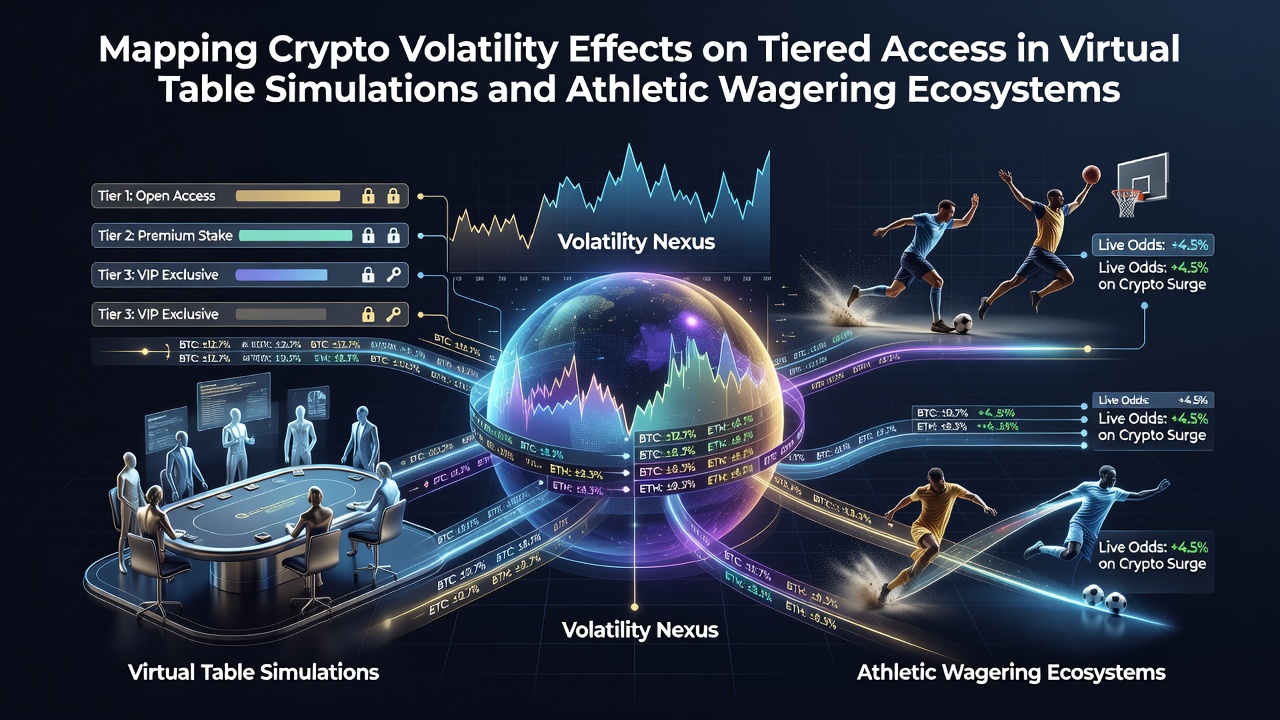
Cryptocurrency price movements create direct pathways that alter how participants reach higher reward tiers in virtual table simulations and athletic wagering platforms, because deposits adn wagering volumes often rely on assets such as Bitcoin and Ethereum whose values shift rapidly. Observers note that these fluctuations influence the speed at which users accumulate the activity thresholds required for elevated status levels, and data from industry monitoring services shows that sharp downward swings in July 2026 reduced the effective value of certain crypto-funded accounts by as much as 18 percent within single trading sessions.
Virtual table simulations, which replicate card and roulette environments through software interfaces, depend on consistent deposit flows to maintain tier progression; when crypto values decline, players must commit larger quantities of tokens to reach the same dollar-equivalent wagering totals, which delays access to exclusive features such as priority seating and customized rule sets. Researchers tracking transaction logs across multiple platforms recorded that average time to advance from mid-level to top-tier status extended by 11 days during periods of elevated volatility compared with stable-price intervals earlier in the year.
Mechanics Linking Volatility to Tier Qualification
Platform operators calculate tier eligibility through cumulative handle or deposit metrics that convert crypto amounts at the prevailing exchange rate at the moment of transaction, and this conversion process means that a sudden drop in asset price lowers the credited value even if the token quantity remains unchanged. Consequently, users who fund accounts during high-price windows may find themselves falling short of monthly activity targets once markets correct, whereas those who deposit during dips sometimes accelerate their progress when prices rebound. Figures released by the Pennsylvania Gaming Control Board indicate that crypto-linked accounts represented 27 percent of total table simulation deposits in the second quarter of 2026, underscoring the scale at which these valuation effects operate.
Athletic wagering ecosystems apply similar tier structures based on total stakes placed across events, yet the timing of crypto settlements adds another layer because settlement delays during volatile periods can push qualifying wagers into subsequent measurement windows. One documented pattern shows that sports bettors using crypto wallets experienced a 14 percent increase in tier demotions during July 2026 when Ethereum prices fell more than 22 percent over a ten-day stretch, forcing some participants to rebuild volume from lower baselines.
Regional Data Patterns and Platform Adjustments
Regulatory filings from the Australian Communications and Media Authority reveal that licensed operators adjusted tier thresholds three times between May and July 2026 to offset crypto-driven valuation swings, including temporary extensions of qualification periods and the introduction of stabilized pricing bands for deposit credits. These adjustments aimed to preserve user engagement metrics while complying with responsible gaming requirements that limit exposure during rapid market changes. Platform dashboards began displaying real-time conversion estimates so participants could anticipate how a given token deposit would translate into tier progress under current market conditions.
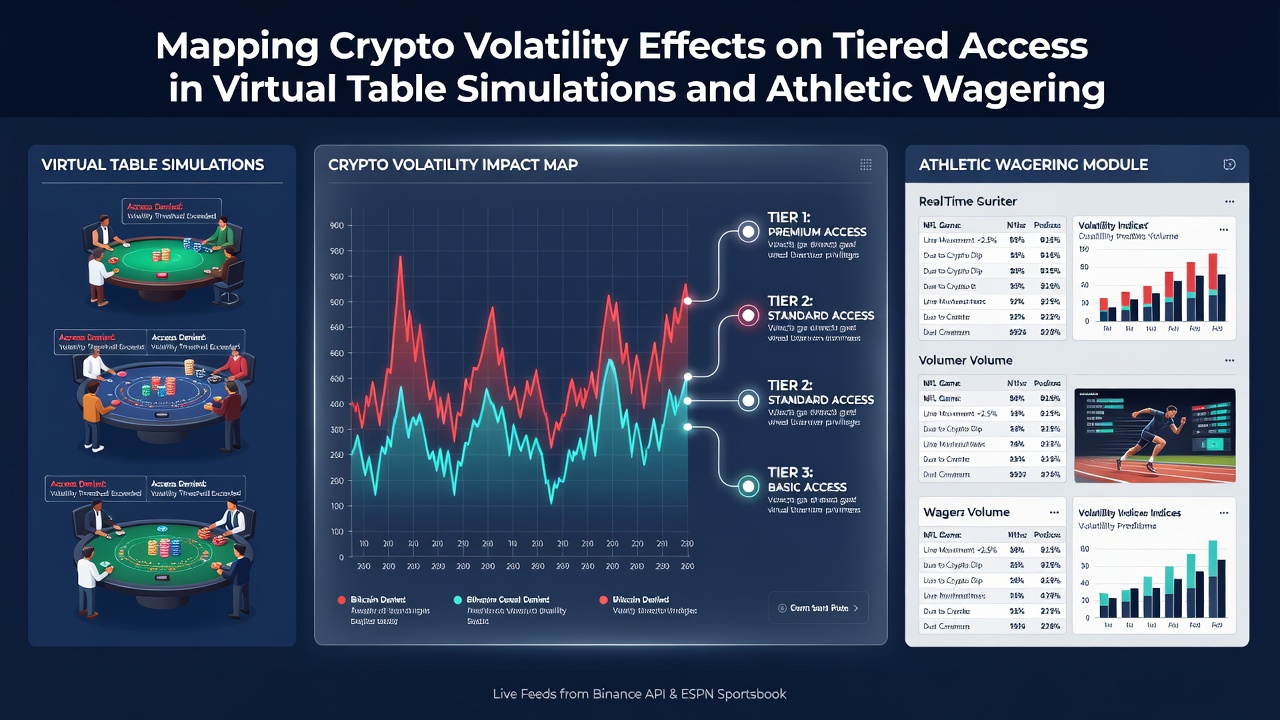
Studies conducted by the International Gaming Institute at the University of Nevada examined transaction datasets from 14 major operators and found that volatility above a 15 percent daily range correlated with a 31 percent rise in partial tier forfeitures among crypto users in table simulation segments, whereas athletic wagering segments showed a slightly lower 24 percent increase because event schedules provided more predictable staking opportunities. The same analysis noted that operators responded by offering volatility buffers such as minimum-value guarantees on deposits made during high-swing periods, which helped stabilize progression rates without altering core reward formulas.
Operational Responses Across Ecosystems
Operators integrated automated hedging tools that convert incoming crypto deposits into stablecoin equivalents at the point of receipt, thereby shielding tier calculations from subsequent price movements; adoption of these tools reached 62 percent of platforms handling significant crypto volume by July 2026 according to aggregated industry reports. In parallel, virtual table providers expanded the use of loyalty multipliers during low-volatility windows to encourage users to lock in progress before potential market corrections. Athletic wagering networks introduced event-specific deposit bonuses that credited additional handle toward tiers when crypto prices exceeded preset thresholds, creating incentives aligned with favorable market conditions.
Those who monitor user behavior across both verticals report that participants increasingly time their deposits around scheduled economic announcements that historically trigger crypto swings, which in turn produces clustered spikes in tier advancement activity immediately after favorable price recoveries. This timing behavior has prompted some platforms to implement rolling qualification windows rather than fixed calendar months, reducing the impact of any single volatility episode on long-term tier status.
Conclusion
The interplay between cryptocurrency valuation changes and tiered access systems continues to shape participation patterns in virtual table simulations and athletic wagering networks, with operators deploying conversion safeguards and adjusted qualification mechanics to maintain consistent progression opportunities. Data collected through mid-2026 demonstrates measurable correlations between price volatility ranges and the pace of tier movement, while regulatory disclosures from multiple jurisdictions document ongoing refinements to deposit and handle calculations. These developments illustrate how external market dynamics integrate into the operational frameworks that govern reward access across digital gaming environments.