7 Jul 2026
Tiered Reward Structures and Their Mobile Evolution in Sports Wagering and Casino Table Games

Observers note that tiered incentive systems in gaming have shifted focus toward mobile interfaces as athletic markets and table game platforms expand their digital reach, with operators adjusting reward structures to fit smaller screens and on-the-go user patterns. These systems typically organize participants into levels such as entry, mid, and premium tiers, each granting escalating benefits like bonus credits, faster withdrawals, and exclusive event access, while mobile adaptations ensure these features remain accessible through responsive design and push notifications.
Data from industry reports indicate that mobile usage accounts for over 70 percent of wagering activity in several major markets by mid-2026, prompting developers to integrate tier tracking directly into app dashboards where users view progress toward the next level without switching devices. Athletic markets, including sports betting on football and basketball events, incorporate real-time multipliers tied to mobile check-ins during live games, whereas gaming tables adapt similar mechanics to virtual blackjack and roulette sessions that sync with physical casino loyalty cards.
Core Mechanics of Tier Progression Across Platforms
Research from gaming associations shows that progression relies on accumulated points from wagers or table play, with mobile interfaces streamlining the process through automated calculations that update instantly after each bet. In athletic markets, a user placing mobile bets on multiple events might advance tiers faster due to volume bonuses, while table game participants earn points via session length tracked through app-based reservations at live dealer tables. This setup maintains consistency across both sectors even as interface layouts differ to accommodate sports odds feeds versus card game animations.
What's interesting here is how payment selections influence tier access, since digital wallets integrated into mobile apps often award extra points for seamless transactions, encouraging higher engagement without altering core reward formulas. Operators in regions like Nevada and parts of Australia have documented steady increases in tiered participation following mobile optimizations rolled out in early 2026.
Interface Adjustments for Athletic Markets
Athletic markets present unique demands because live betting requires constant screen refreshes, so tiered systems embed visual progress bars and personalized offers within the same view as odds displays. Users at higher tiers receive mobile-exclusive alerts for boosted lines on specific matches, a feature that data shows correlates with longer session times according to reports from regulatory bodies in multiple jurisdictions. Developers achieve this by prioritizing lightweight code that loads tier dashboards quickly even on variable network speeds common during outdoor events.
Take one platform that adjusted its sports app layout in July 2026 to include swipe gestures for claiming tier rewards mid-game, reducing friction that previously caused drop-offs at lower levels. Such changes reflect broader trends where athletic wagering operators study user heatmaps to refine button placement for reward redemptions alongside bet slips.
Adaptations in Mobile Table Game Environments
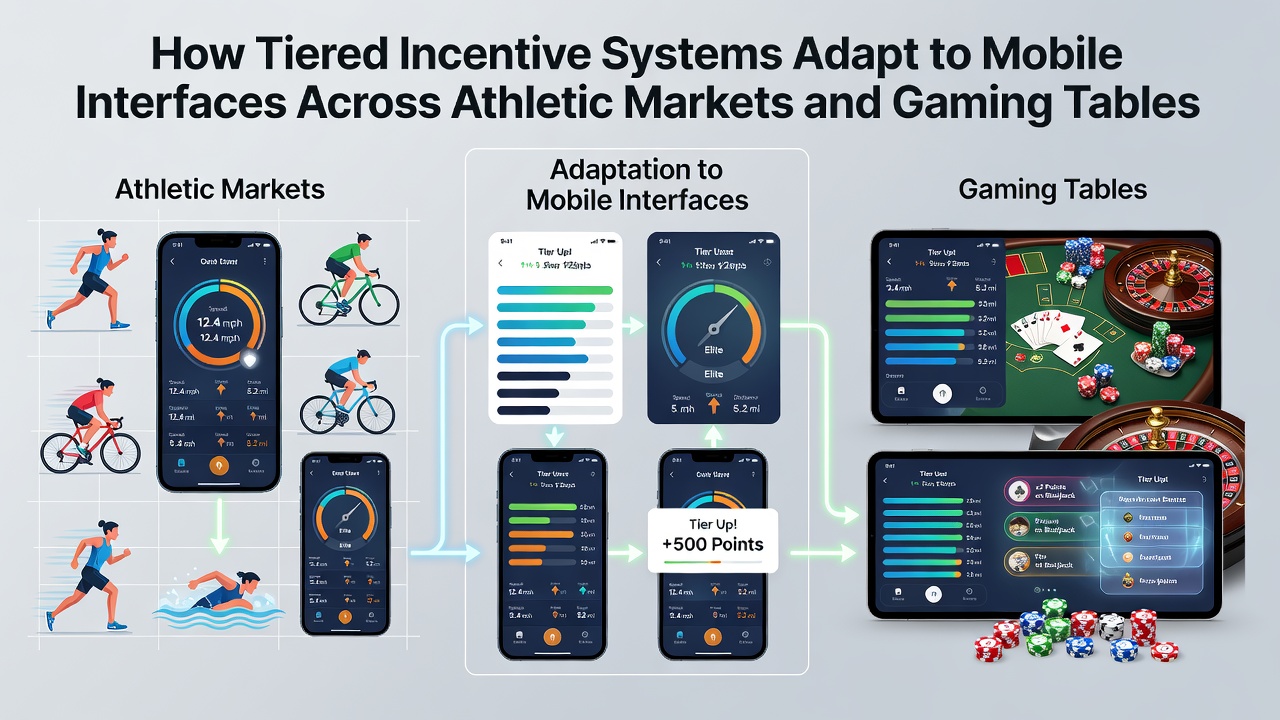
Table game platforms on mobile translate physical casino floor dynamics into app formats by linking tier status to virtual seat reservations and dealer interaction perks, with interfaces displaying cumulative points next to game controls for immediate feedback. Evidence suggests that premium tier members access private tables or reduced house edges through mobile invites that appear automatically after qualifying play volume, maintaining parity with in-person experiences. This integration often uses geolocation features to confirm participation at partnered venues while allowing remote table sessions.
But here's the thing: smaller screens limit complex menus, so designers consolidate tier information into expandable panels that reveal benefits like cashback percentages without overwhelming the gameplay area. Studies from European research institutions have tracked how these streamlined views sustain engagement across blackjack variants and roulette wheels, particularly when paired with biometric login options that tie directly to tier verification.
Cross-Market Integration and Data Patterns
Operators increasingly merge athletic and table game tiers into unified mobile profiles, allowing points earned from sports bets to unlock table game privileges and vice versa, which regulatory filings from Canadian provinces confirm supports diversified user bases. Mobile interfaces facilitate this through shared APIs that pull data across product verticals, presenting a single progress tracker regardless of activity type. Figures reveal that such unified systems saw adoption spikes during the 2026 summer period as more users shifted entirely to app-based play.
Those who've examined transaction logs note that tiered incentives tied to mobile wallets accelerate access to higher levels in both markets, with average upgrade times shortening by measurable margins after interface updates. Industry organizations tracking these patterns emphasize the role of consistent reward visibility in driving retention across devices.
Conclusion
Tiered incentive systems continue adapting to mobile demands by embedding progress tracking, personalized alerts, and cross-platform point sharing into athletic and table game interfaces alike. Patterns emerging through July 2026 demonstrate measurable shifts in participation tied to these refinements, supported by data from varied regulatory and research sources that monitor engagement across regions. This evolution keeps reward structures functional and visible whether users focus on live sports events or interactive table sessions.