31 May 2026
Tracing Cryptocurrency Payout Pathways That Streamline VIP Tier Access Across Mobile Table Games and Sports Markets
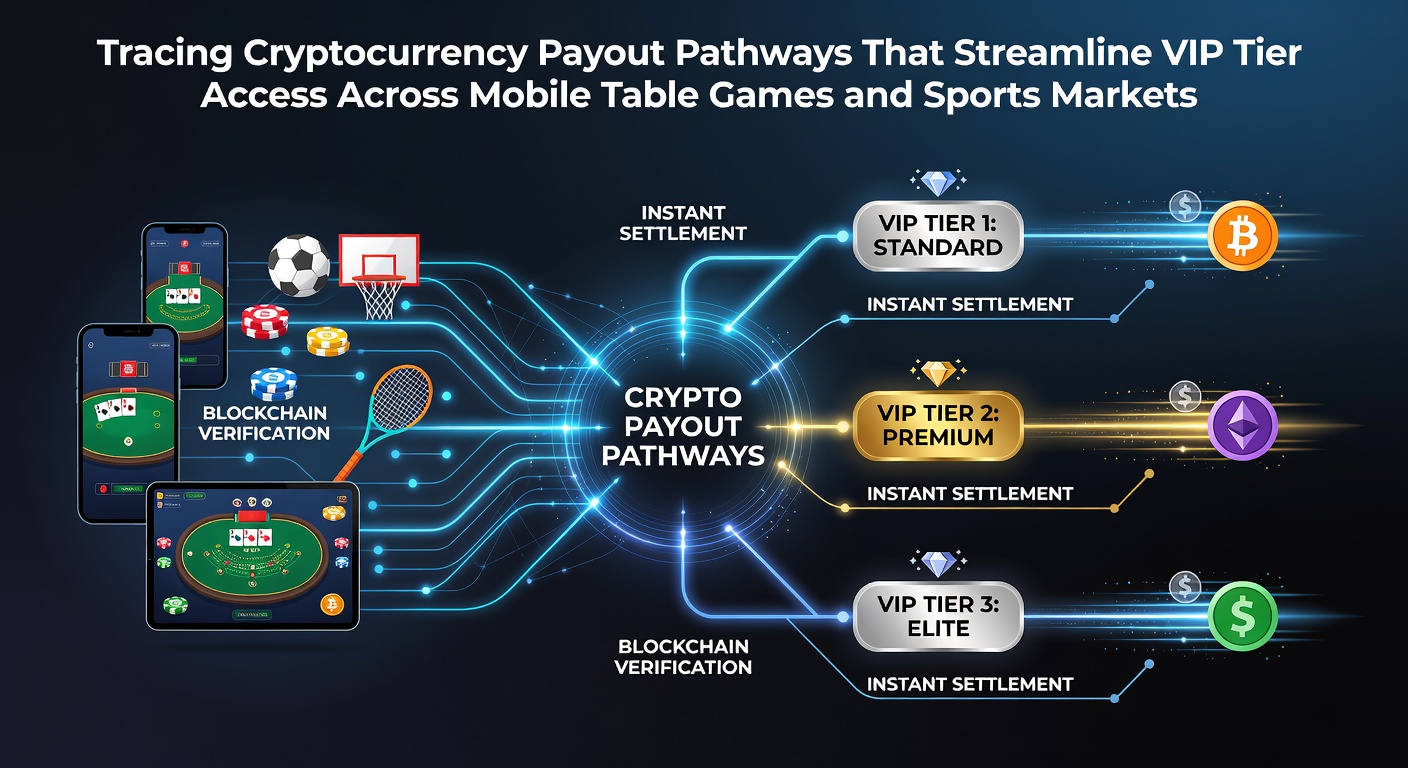
Operators in the mobile gaming sector have integrated cryptocurrency payout systems that connect directly to loyalty programs, allowing players to accumulate tier points through rapid transaction confirmations on blockchain networks. These pathways rely on distributed ledger technology where each transfer records metadata that platforms use to verify activity and award status upgrades in real time. Mobile table games such as blackjack and roulette along with sports betting interfaces now process deposits and withdrawals via stablecoins and native tokens, reducing settlement times from days to minutes and enabling continuous participation that feeds into VIP calculations.
Blockchain Transaction Mechanics in Gaming Environments
Digital wallets interact with platform APIs through smart contracts that execute automatically once network consensus confirms the transfer, and this automation feeds data into backend systems that track wagering volume and frequency. Observers note that platforms utilizing Ethereum-based tokens or Bitcoin Lightning Network channels achieve confirmation speeds under ten seconds in many cases, which supports uninterrupted play sessions across both table game lobbies and live sports markets. Data from industry reports indicate that such reduced latency correlates with higher engagement metrics because players receive instant balance updates and can immediately place additional wagers without waiting for traditional banking clearances.
VIP Tier Progression Through Verified Payout Records
Loyalty engines assign points based on net activity, yet cryptocurrency pathways add an extra verification layer where each on-chain transaction carries a unique identifier that platforms cross-reference against user accounts. This process creates an auditable trail that demonstrates consistent participation, accelerating qualification for higher tiers that unlock personalized table limits, enhanced sports bet multipliers, and exclusive mobile event access. Researchers at academic institutions studying digital economies have documented how transparent ledger entries allow operators to distinguish between casual and high-volume users with greater precision than legacy payment rails permit.
Integration Across Mobile Table Games and Sports Markets
Table game applications on smartphones transmit bet results back to the same wallet addresses used for payouts, creating closed-loop data flows that loyalty algorithms monitor continuously. In sports markets the same addresses receive winnings from live event resolutions, and platforms aggregate these figures to determine tier eligibility thresholds that reset monthly or quarterly depending on the operator's structure. What's interesting is how certain networks incorporate zero-knowledge proofs to maintain player privacy while still supplying aggregated activity summaries to compliance teams, a development that gained traction following regulatory updates scheduled for implementation in May 2026 across multiple jurisdictions.
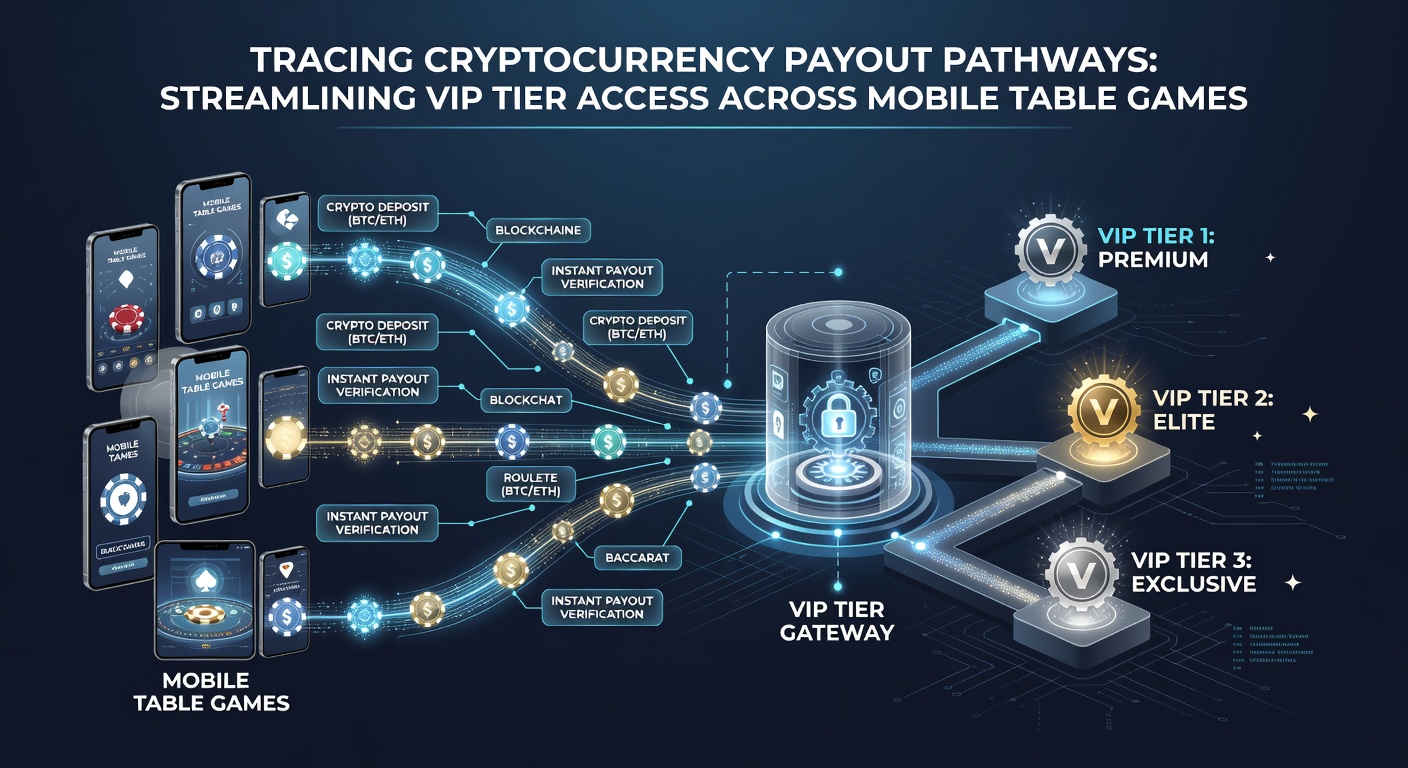
One study revealed that operators adopting multi-chain support expanded their reach because players from different regions prefer specific tokens based on local exchange availability and network fees. Australian regulatory filings and analyses from the Canadian Gaming Association highlight how these flexible payout options have increased cross-border participation without requiring traditional currency conversions that previously delayed tier advancement.
Regulatory and Technical Considerations Shaping Pathways
Government agencies in the United States, including the Nevada Gaming Control Board, have issued guidance on transaction monitoring that requires platforms to maintain records linking wallet addresses to verified identities for anti-money laundering purposes. This requirement influences how operators design their payout pathways to ensure every transfer contributes cleanly to loyalty data without triggering compliance flags that could interrupt tier progression. European research institutions have published findings on scalability solutions such as layer-two protocols that further compress confirmation times, allowing sports bettors and table game enthusiasts to maintain momentum toward VIP milestones even during peak event periods.
Future Developments Expected by Mid-2026
Platform developers continue testing interoperability standards that would let players carry tier status across different operators through portable on-chain credentials, a concept that aligns with upcoming policy frameworks set for review in May 2026. These credentials would encode historical payout and wagering data in encrypted formats that new platforms could read while preserving user anonymity where regulations permit. Trade organizations focused on gaming technology have noted that such advancements depend on continued collaboration between blockchain developers and compliance specialists to balance speed with oversight requirements.
Conclusion
Cryptocurrency payout pathways have become integral components of modern loyalty architectures because they deliver verifiable, rapid transaction records that directly influence VIP tier access in mobile table games and sports markets. As networks evolve and regulatory landscapes adjust in 2026, these systems are expected to incorporate additional layers of automation and privacy protection that further streamline the connection between financial activity and reward eligibility. Observers continue to track how these technical and policy shifts reshape engagement patterns across digital wagering environments.